
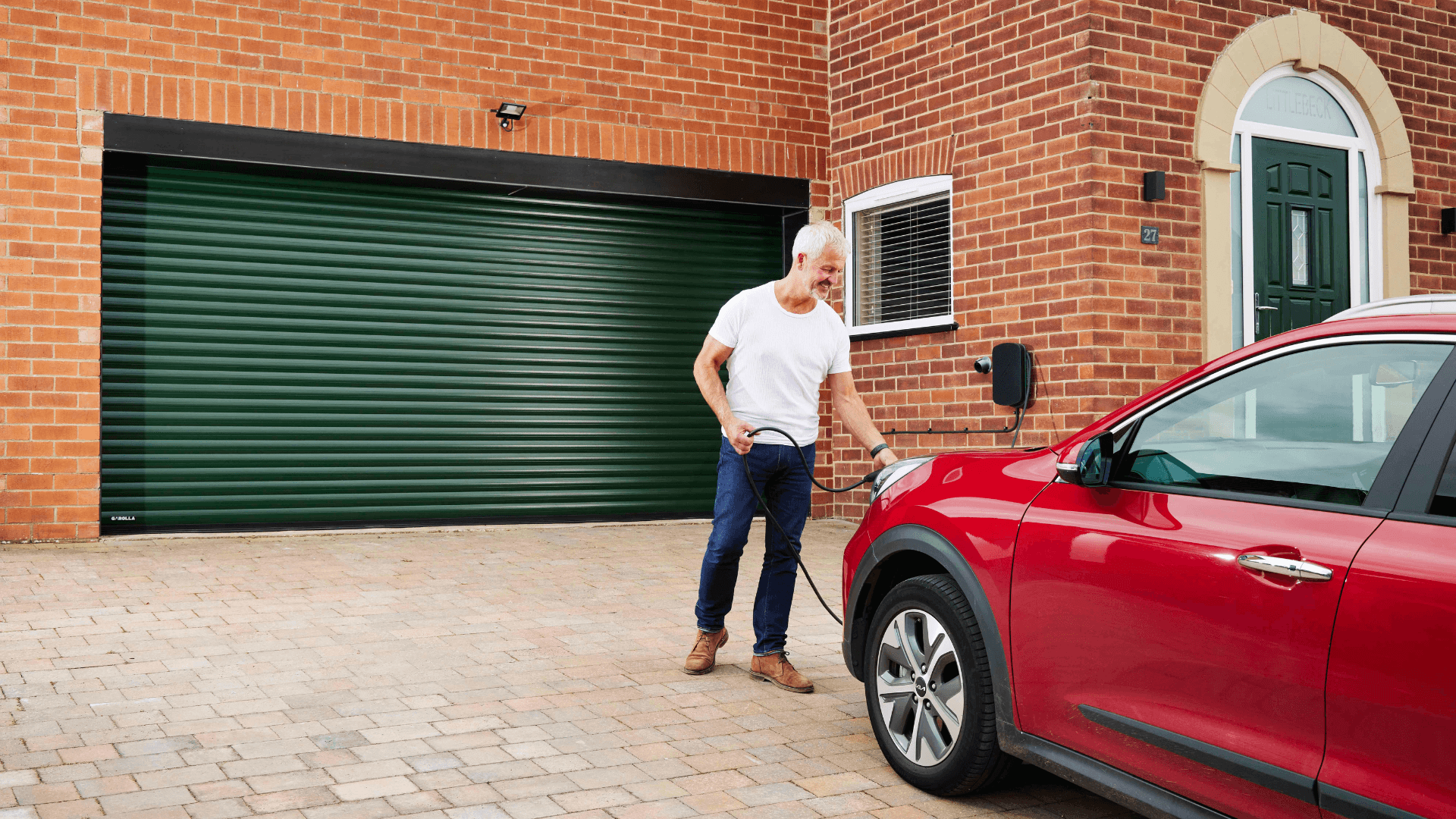
Yes - installing an EV charger in your garage is safe when done correctly. Modern chargers are designed to handle high electrical loads, and UK regulations ensure installations meet strict safety standards. For many homeowners, the garage is one of the best places to charge an electric vehicle. It provides protection from the elements, added security, and convenient access to your home’s electrical system.
Key Takeaways:
• EV chargers can be safely installed in garages when professionally fitted
• Dedicated wallbox chargers are safer and more efficient than standard plug sockets
• UK regulations ensure safe installation and operation
• Ventilation and electrical capacity are key considerations
• Keeping the garage clear of clutter improves safety
Why More UK Homeowners Are Charging EVs in Their Garage
Electric vehicles are becoming increasingly common across the UK, driven by sustainability goals and the shift away from petrol and diesel cars. As adoption grows, so does the need for convenient home charging. For many homeowners, the garage is the most practical location - offering a sheltered, secure environment and easy access to power. While outdoor charging was once more common, improvements in EV technology and safety standards have made indoor garage charging a preferred option for many households.
Is It Safe to Charge an EV in a Garage?
The short answer is yes - charging an EV in a garage is safe, provided the installation meets modern standards. EV batteries are designed with multiple layers of protection, and incidents such as fires are extremely rare. In fact, EVs are statistically less likely to catch fire than petrol or diesel vehicles. Most risks associated with EV charging are not due to the vehicle itself, but to incorrect installation or unsuitable charging equipment. This is why using a qualified installer and the correct charger type is essential.
Understanding Fire and Heat Risks
One of the most common concerns around EV charging is the risk of fire. While EV battery fires can occur, they are rare and typically linked to battery damage or faults. A phenomenon known as “thermal runaway” can occur if a battery cell is compromised, causing it to overheat. However, modern EV systems are designed to monitor and manage temperature, significantly reducing this risk. Charging in a garage can actually help maintain a stable environment, protecting the battery from extreme temperature fluctuations and reducing stress on the system.
Granny Charger vs Wallbox: What’s the Difference?
When setting up EV charging at home, there are two main options. A “granny charger” uses a standard 13-amp household socket. While convenient, it is slow and not designed for regular, long-term EV charging. A dedicated wallbox charger is the recommended solution. These units are installed on a dedicated circuit and are specifically designed to handle the electrical demands of EV charging safely and efficiently. Most modern wallboxes also include smart features, allowing you to schedule charging and monitor usage through an app.
UK Regulations for EV Charger Installation
EV charger installations in the UK must comply with strict regulations to ensure safety. Building Regulations (including Part S and Part P) govern how charging points are installed, while BS 7671 wiring standards set the requirements for electrical safety. Newer rules also require smart functionality in home chargers, helping manage demand on the national grid and improving safety. In addition, installations must be carried out by qualified electricians, ensuring that your system is correctly fitted and certified.
Requirements
Key Requirements for Garage EV Charging:
- Off-street parking such as a garage or driveway is required
- A qualified electrician must install the charger
- Your home’s electrical system must support the additional load
- A dedicated circuit is needed for safe operation
- WiFi or mobile signal is required for smart charger functionality
Making Your Garage Charging Setup Safer
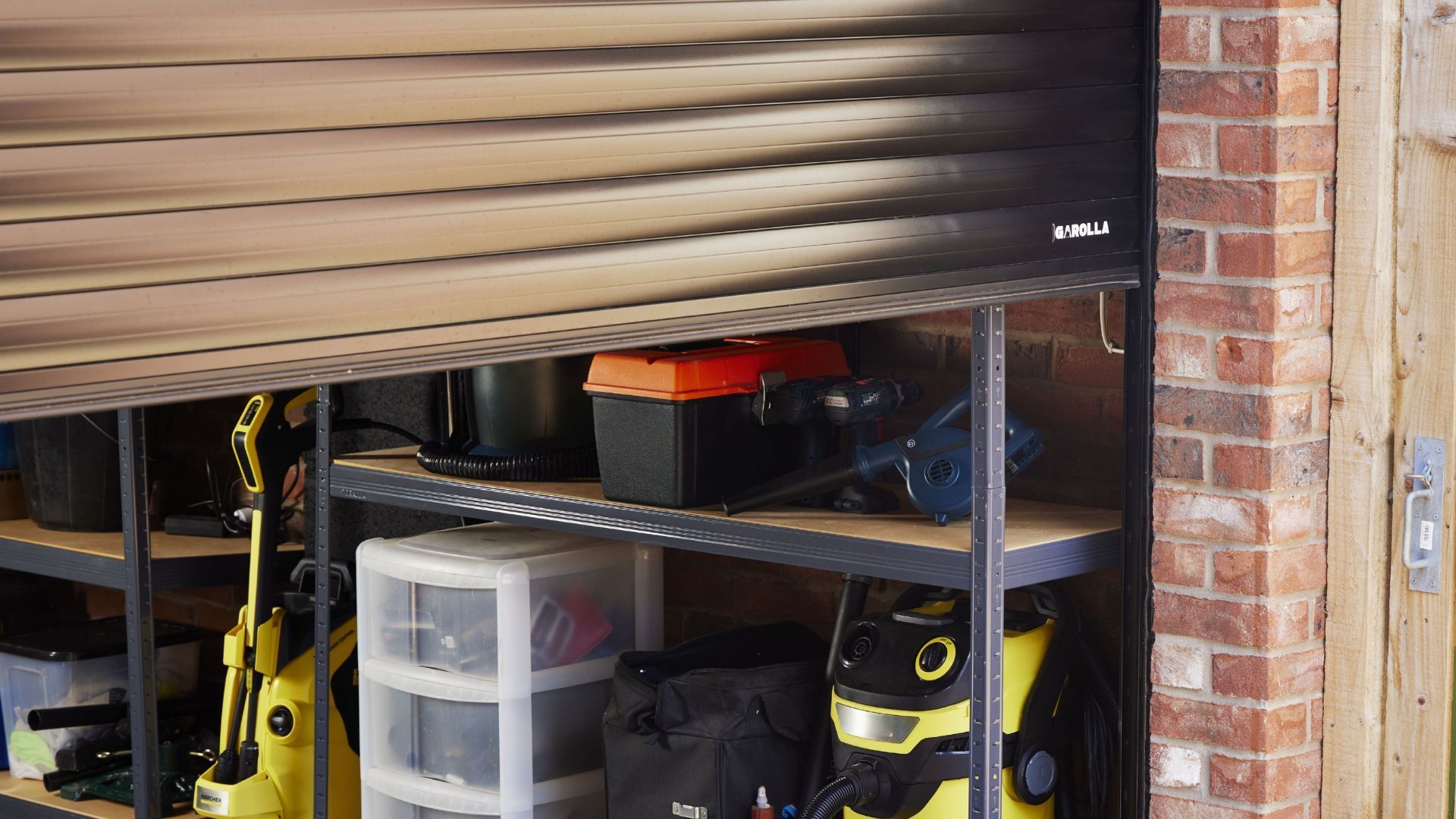
While modern EV charging systems are safe, there are additional steps you can take to enhance safety even further. A professional pre-installation survey ensures your home’s electrical system can handle the charger. If needed, upgrades such as fuse improvements or load management devices can be installed. Installing a heat detector in your garage can provide early warning of temperature changes, offering added peace of mind. It’s also important to keep the charging area clear of flammable materials such as cardboard, fuel containers or old paint. A clean, organised space is not only safer, but easier to use.
Ventilation and Garage Conditions
Ventilation is an important factor when charging an EV in a garage. UK guidance highlights the need for adequate airflow in enclosed spaces to prevent heat build-up. While EVs do not produce exhaust fumes, managing temperature is still important for safe operation. A well-maintained garage, free from damp and excessive heat, provides the ideal environment for charging your vehicle.
Practical Safety Tips
Simple Safety Tips:
- Keep the area around your charger clear
- Avoid storing flammable materials nearby
- Install a heat detector for added protection
- Ensure your garage is dry and well-ventilated
- Always use a certified installer
Why Your Garage Door Matters
Your garage door plays an important role in protecting your EV charging setup. Older or poorly sealed doors can allow moisture, draughts and dirt into the space, which can affect electrical equipment over time. Modern insulated roller garage doors provide a tight seal against the elements, helping maintain a stable internal environment. This protects both your EV charger and your vehicle, while also improving security.
Frequently Asked Questions
Yes, as long as the charger is professionally installed and meets UK safety regulations.
A dedicated wallbox charger is recommended for safety and efficiency.
You can, but it is slower and not ideal for regular use.
Yes, garages should have adequate airflow to manage heat safely.
If you own your home, usually no. Renters will need landlord approval.
