
If you are reading this, you’ll likely be familiar with the unmistakable screech of metal-on-metal. It doesn’t usually come on overnight; you’ll likely have noticed the noise growing louder over a number of weeks, and have now decided it’s time to do something about it. You’re in the right place!
You can think of any unusual noise coming from your garage door as a distress signal, where something isn’t working as it should; you should always investigate the cause immediately and seek remedial action. In the case of hearing a high-pitched screeching noise on operating your garage door, this indicates friction between moving parts. This happens over time through everyday wear and tear or through sudden damage. With every open and close you are further damaging components, and this can lead to more costly repairs further down the line (particularly if you have an electric garage door) - or even necessitate a replacement. Continuing to operate a damaged garage door can also be extremely dangerous - particularly when load-bearing mechanisms are involved. Either way, it is important to act promptly, seeking professional help where necessary to diagnose and resolve; this may mean stopping using your garage door altogether until the issue is fixed.
Thankfully, quite often a repair isn’t necessary; instead, you can often stop a door squeaking and screeching in just a few minutes with a suitable lubricant and a rag. Learning how to lubricate a garage door will help you keep it operating smoothly for years to come; it is one of the most effective forms of maintenance, preventing rust and maximising your door’s lifespan.
This comprehensive guide serves to show you exactly how to grease garage door components safely, as well as shutting down some myths and misconceptions. And importantly, it answers the question of how to make your garage door quieter - for good!
What NOT to Use When Lubricating Your Garage Door
Whatever you do, don’t reach for your WD-40! It’s just as important to know what not to use when lubricating your garage door as what you should use. Furthermore, you need to remember that all doors and components are different; never assume that a specific component requires lubrication. You could cause component damage or a serious safety hazard by applying the wrong kind of lubricant.
WD-40 is seen as an all-rounder for household maintenance tasks - particularly for squeaky hinges. However, it is often used incorrectly. Standard WD-40 is NOT a lubricant; it is a solvent, and displaces water. This is a very common misconception.
WD-40 and similar products actually strip away existing grease and dry out bearings. Furthermore, the product leaves behind a tacky film which attracts dust, grit and dirt. Over time, this accumulates and acts to wear components much faster than if you had left it alone!
Instead, you need to check the maintenance requirements for your particular type of garage door - ideally seeking the manufacturer’s manual or care guide.
How to Choose the Best Lubricant for the Job
Please do check your specific garage door’s care guide as a first point of reference when performing any maintenance; this will help you determine the best lubricant for particular components on your garage door. If you’re ever in any doubt, seek advice from a professional before DIYing to avoid costly - and potentially dangerous - damage.
However, generally speaking you need to use a product that:
Works under extreme significant pressure
Withstands all manner of weather conditions and temperatures
Does not attract dirt or dust
There are two main options:
White Lithium Grease
White lithium grease is the heavy-duty choice for a garage door lubricant. You’ll often find it in an aerosol, spraying on as a liquid and setting as a thick, non-drip grease. This particular grease provides the perfect lubricant for metal-on-metal moving parts such as hinges and torsion springs. White lithium grease directly adheres to the metal, and this provides durable, long-lasting protection to keep things moving smoothly and safely.
Silicon Spray
Silicon spray provides a lighter, cleaner lubricant; this is often used on nylon rollers, plastic components, and weather seals. Silicone provides a slippery surface without being sticky, and it is a great choice for weatherproofing rubber seals to stop them from cracking or sticking to the ground during icy conditions.
Safety and Preparation
Your garage door is usually the biggest and heaviest single moving item in your house, with up-and-over garage doors being held under immense spring tension. It stands to reason that you need to ensure a safety-first approach before undertaking any maintenance. Depending on the garage door type, lubricating the door when it is closed generally gives you the easiest access to the tracks and hinges. If you have an electric garage door, ensure it is disconnected from the power source; if you have a manual door, make sure people in your household know not to use the door, and put up a sign. You do not want the door to open unexpectedly when your fingers are near moving parts.
Before lubricating the component(s) in question, take some time to inspect it first. Use a torch to examine its general condition, and check for grime, grit and cobwebs. There is no point in lubricating something that is built up with dirt. Take a damp rag to remove dirty residue first; you might even want to use a vacuum cleaner or old toothbrush to remove dirt in hard-to-reach areas.
How to Lubricate a Sectional or Up-and-Over Door
If you have a sectional or up-and-over garage door, there are five main areas to focus on:
Springs
The large springs on the inside of your door often cause a deep groaning sound when old or poorly maintained. When you open or close the door, the coils rub against each other as the spring expands and contracts. Coating the entire length of the spring in white lithium grease can fix this particular issue. Spray the product along the tops of the coils, and gravity will pull the lubricant into the metal. Operating the door will help the grease move between the rings, aiding a smooth, quiet operation.
Rollers
Rollers are small wheels that run inside the metal tracks. For metal rollers, a drop of lubricant should be put into the central ball bearing where the wheel spins. For nylon rollers (often black or white plastic), avoid spraying the wheels as some lubricants can damage the plastic. Instead, again you should focus on lubricating the central bearing of the wheel. Be sure to look out for any wheels that are cracked or worn / misshapen - they will require replacing.
Hinges and Pivot Points
The panels on sectional garage doors are usually held together by metal hinges. The hinges pivot as the door glides around the curve of the track. For best results (and good regular maintenance) you should spray the centre of every single hinge.
Bearing Plates
Bearing plates sit at the top of the door system, on either side of the spring bar. Essentially, they support the entire weight of the door, and so require a generous application of heavy-duty grease to avoid a clunky operation - or the door seizing altogether.
Locks and Manual Hardware
It might not be the source of any loud noises, but it’s worth keeping your locking mechanism moving smoothly! A small amount of silicone spray into the keyhole will help to keep the internal pins moving smoothly. Make sure you lubricate the long metal bars that come out either side of the lock to keep them operating smoothly too.
Regular Maintenance
Don’t wait until the sound of you opening your garage door can be heard all around the neighbourhood! Prevention is better than the cure. Regular maintenance is key to keep your garage door in tip-top working order, and regular lubrication should form part of this schedule. Buying a new garage door is an investment; looking after it will extend its lifespan and make day-to-day use a (quiet!) breeze.
Care for Roller Garage Doors
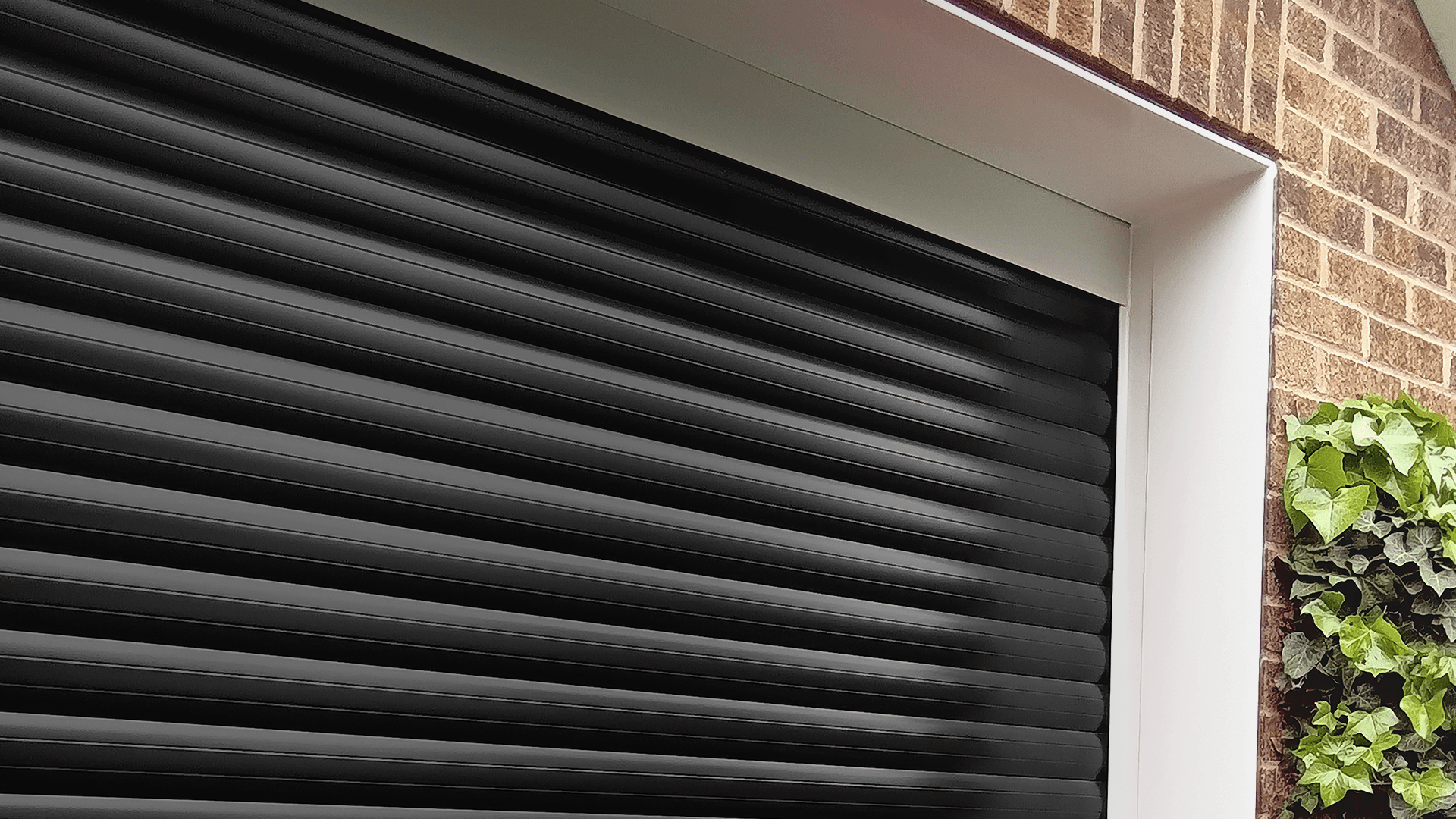
Modern roller doors like Garolla electric garage doors are designed for modern living, and require minimal maintenance. For one thing, there are no visible springs or hinges to worry about!
However, you should never grease the vertical guide rails. They are designed to be lubrication free, and adding oil or grease can cause issues - whether attracting the build up of dirt (potentially jamming the curtain) or putting the mechanism out of sync. Instead, wipe clean the guide rails with a damp cloth.
How to Make a Garage Door Quieter
This blog focuses on lubricating a garage door, but if your door is making a rattling noise, that’s a sign of excessive vibration rather than friction. It’s likely the case that some nuts and bolds have come loose through the door being used over a long period of time. Take a socket wrench and check every visible bolt - tightening where necessary. Don’t over tighten - just make sure they are snug.
Another cause for noise (and noise amplification) in garage doors is the use of old steel rollers; we would recommend upgrading to modern nylon rollers to reduce noise when opening / closing your door, and improve the smoothness of its operation. Nylon is a softer material which absorbs vibrations rather than amplifying them!
If, after sufficiently lubricating relevant components, and inspecting your door for obvious damage it is still making an unusual or excessive noise, we would recommend you seek a professional garage door engineer to investigate further.
Troubleshooting Common Noises
Before diving in to try and stop your door making noise, take a moment to listen to it properly first! The type of sound it emits will help you diagnose the nature of the problem. For example, a high-pitched squeak / squeal usually indicates your hinges or bearings are in need of lubrication. On the other hand, a grinding noise is often indicative of a more serious issue; it may be that a roller has seized and is dragging along the track, or the door itself may be scraping against a bent section of metal.
A loud popping often indicates a problem with the spring - whether it simply needs some grease or is bound / twisted (this can cause the spring to “jump” causing the popping sound.
A rattling sound is almost always caused by loose hardware or tracks that need tightening.
When to Call a Professional
Learning how to lubricate a garage door is a good skill to have to keep it in smooth working order. However, it’s important to recognise when you need help. If in any doubt - leave it to the experts. Whilst you can lubricate torsion springs, you should never attempt to adjust or repair them yourself. They are under massive tension, and if they snap or if a tool slips, you risk serious injury - or even death.
Very simply, if you can see any damage to the springs, if cables are fraying, or if your garage door just feels particularly heavy, you should avoid performing any remedial action, stop using your garage door and call a professional engineer immediately.
The Long-Term Solution
Lubricating an ageing garage door regularly will help keep it functioning for a few more years, but you need to know when it’s time to invest in a new one. No amount of grease can fix a warped, rusted or inherently noisy mechanism.
If your old door is continuing to fail despite your best maintenance efforts, or requires significant money spent on it for repair, it may well be time for an upgrade.
As well as offering a smooth operation and leading modern convenience, Garolla electric roller garage doors are designed to be virtually maintenance free.
With an enclosed motor and simplified mechanism, you don’t have to think about springs, hinges or ratting overhead tracks.
And, importantly they are whisper-quiet too. Ultimate peace of mind, and peace and quiet too!
Need Assistance? Visit our Help Centre
Garage Door Lubrication FAQs
No. It is a solvent, not a lubricant.
Every 6 months or when it becomes noisy.
White lithium grease for metal parts and silicone spray for plastic components.
No. Keep them clean and dry.
